


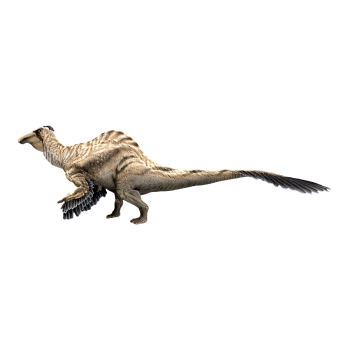
Deinocheirus
Stegosaurus is a giant theropod dinosaur belonging to the theropod suborder, which lived in southern Mongolia during the late Cretaceous period, about 70 million years ago. It belongs to the Stegosauridae family in the ornithopod suborder and is one of the largest ornithopod dinosaurs and theropod dinosaurs. It is 12 meters long and weighs 9.3 tons, with arms 2.5 meters long and claws 25 centimeters long. It is a giant omnivorous dinosaur and the largest theropod dinosaur discovered in Asia.
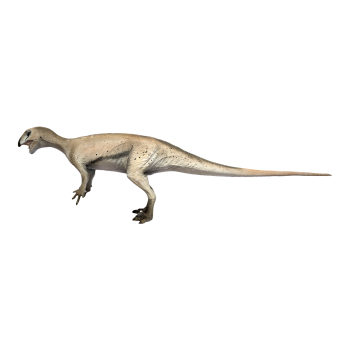
Hypsilophodon
Pristosaurus is a medium-sized, lightweight terrestrial bipedal animal. The anterior teeth of the upper jaw and the particularly long common rod facing towards the rear demonstrate its originality. Molar teeth have a cutting effect, arranged in a single row, and updated in groups of three. The foot has four toes, with each toe end in the shape of a pointed hoof. Distributed in Asia, Australia, Europe, and North America, it lived from the mid Jurassic to the late Cretaceous period.

Stegoceras
Stegoceras (genus name: Stegoceras), also known as the top horned dinosaur, is a herbivorous dinosaur belonging to the suborder Ornithischia, and lived in North America during the Late Cretaceous period. Sword horned dragon is 2 meters long. Sword horned dragon was named by Lawrence Lambe in 1902, and its scientific name means "horned head" in Greek. Sword horned dinosaur comes from the swollen headed dinosaur family and is a bipedal herbivorous dinosaur. They lived in the late Cretaceous period and had a body length of about 2 meters. The thick and round skull is the most prominent feature of stegosaurs.

Velociraptor
Velociraptor is a dinosaur belonging to the Saurischia family, also known as Velociraptor or Velociraptor. Velociraptors lived in China and Mongolia during the late Cretaceous period in Asia. Enjoy living in groups. Carnivorous animals mainly hunt small dinosaurs, dinosaur eggs, dinosaur juveniles, and small mammals. Velociraptors are known as "fast robbers" due to their agile movements. In 1971, the fossil specimen "Dinosaur in a Battle" was discovered by a Polish exploration team, and as a result, this fossil specimen is considered a national treasure by Mongolia.

Concavenator corcovatus
There is only one species in the genus Kunka, the hunchbacked Kunka. The fossil of the Kunca hunting dragon was discovered in the Laggonian Formation of Spain, dating back to the Barremian period of the Early Cretaceous. Kunka Hunting Dragon is a small shark toothed dinosaur with a body length of only about 5 meters. Compared with other shark toothed dinosaurs, the most prominent feature of the Kunkarasaurus is the towering neural spines on the two dorsal vertebrae adjacent to the sacrum. Paleontologists speculate that the two dorsal vertebral nerve spines of Kunkalisaurus may have developed muscles attached to them, forming a structure resembling a fleshy mound, which is likely to have display functions..

Tyrannosaurus Rex
Tyrannosaurus belongs to the Tyrannosaurus genus of the Tyrannosauridae superfamily and is the only species in this genus. It was named in 1905 by American paleontologist and member of the American Academy of Arts and Sciences, Henry Osborne. If we refer to the translation format of other dinosaur species, it would be more appropriate to translate its species name as' King Tyrannosaurus'. Adult Tyrannosaurus rex is about 12 meters long and weighs around 7 tons, making it one of the largest land predators in Earth's history.
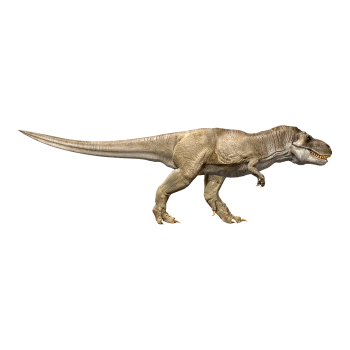
Cretaceous Tyrannosaurus rex
The Tyrannosaurus genus is a member of the Tyrannosauridae family, and the only valid species is the type species Tyrannosaurus rex, also known as the Rex dinosaur. It is a large carnivorous dinosaur with a length of about 15 meters, a hip height of about 5 meters, and a weight of about 8 to 13 tons. Tyrannosaurus lived in the Maastrichtian stage of the late Cretaceous period, approximately 67 to 66 million years ago, and was one of the last dinosaur populations before the Cretaceous Tertiary extinction event. Fossils are distributed in the western United States and Canada in North America, with a wider distribution range than other tyrannosaurids.

Tyrannosaurus Rex
Tyrannosaurus belongs to the Tyrannosaurus genus of the Tyrannosauridae superfamily and is the only species in this genus. It was named in 1905 by American paleontologist and member of the American Academy of Arts and Sciences, Henry Osborne. If we refer to the translation format of other dinosaur species, it would be more appropriate to translate its species name as' King Tyrannosaurus'. Adult Tyrannosaurus rex is about 12 meters long and weighs around 7 tons, making it one of the largest land predators in Earth's history.

Popular Models
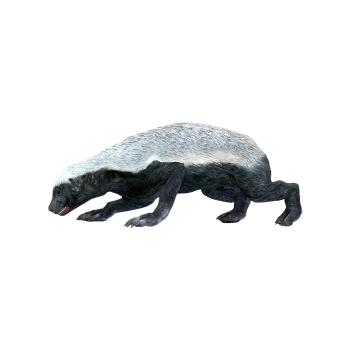
Honey Badger (3D animated model)
194 View
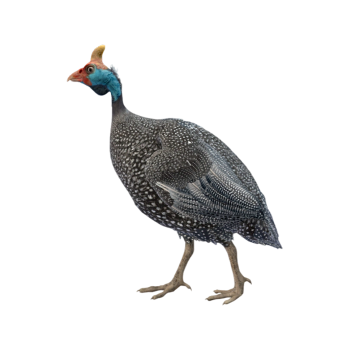
Guinea fowl (3D animated model)
165 View
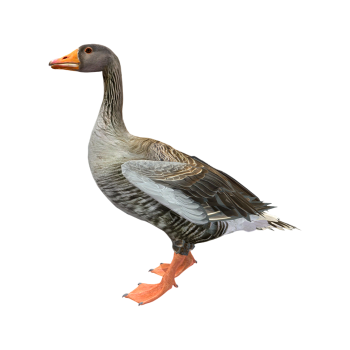
Wild Goose (3D animated model)
187 View
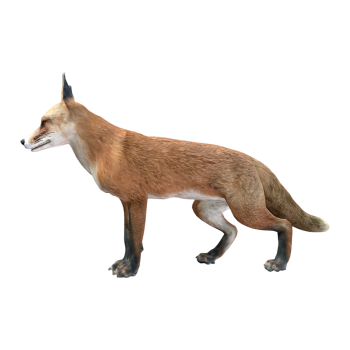
Red Fox (3D animated model)
155 View
Random Model

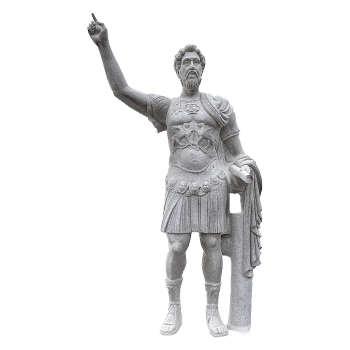
Marcus Aurelius Statue
787 View

(mantis) specimen
823 View
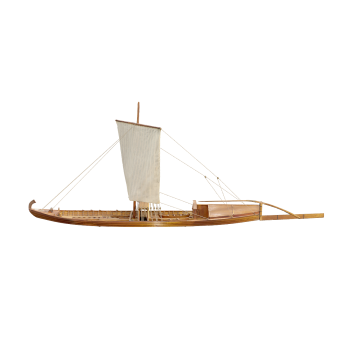

GreenIsland Green Island
979 View
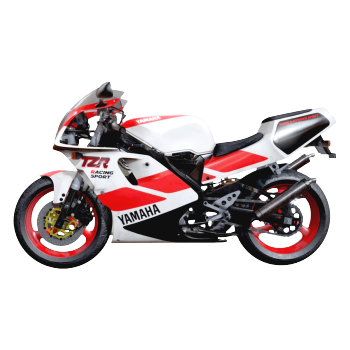
Yamaha TZR 250
1013 View

Z-1V High Voltage Pistol
1427 View

Northern Dead Sea region
800 View

striped puffer specimen
697 View

Taiwan Saus Specimen
652 View